

 start planning
Banh Chung – A Connection to Vietnamese Roots
24
Dec 2024
PUBLISHED
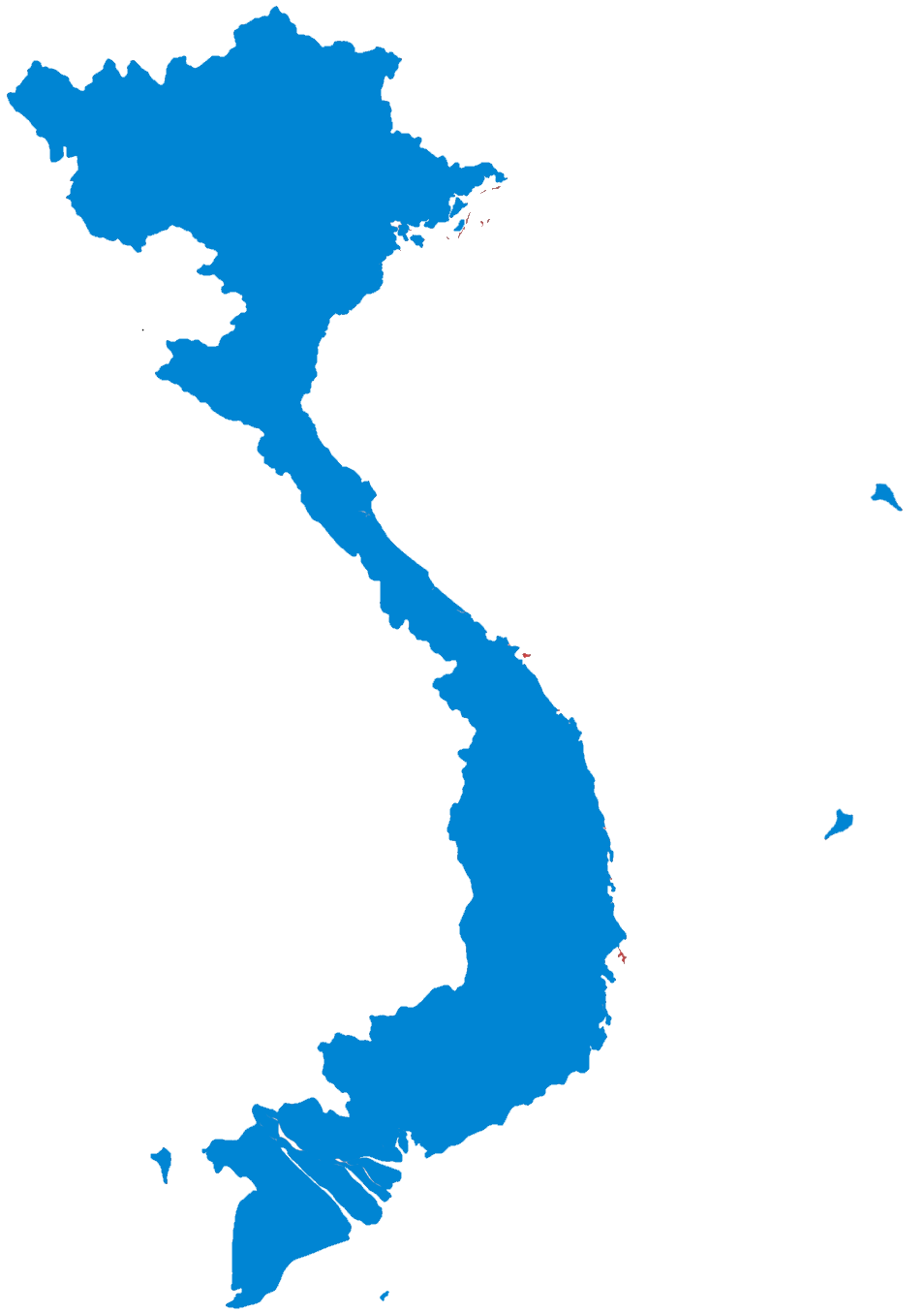
Vietnam

Amasia

The Meaning Behind Banh Chung
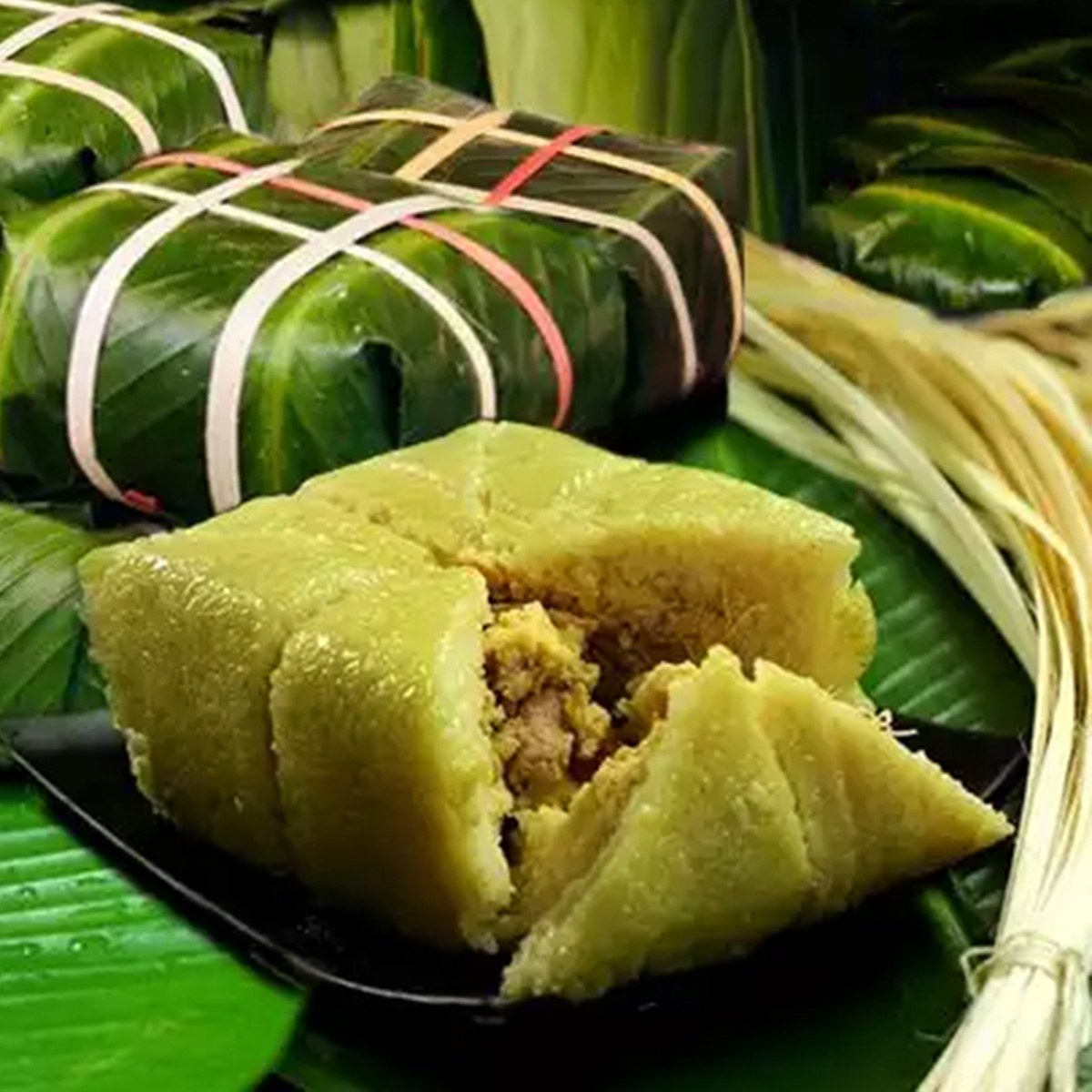
Each year, as the streets come alive with the iconic melody of "Rồi dặt dìu mùa xuân theo Én về…" by the late musician Van Cao, the Lunar New Year announces its arrival. This cherished season sees children eagerly anticipating new clothes and long school holidays, while adults immerse themselves in spring cleaning, decorating their homes, and preparing traditional dishes to honour their ancestors. Among these dishes, Banh Chung holds a special place, standing as a timeless symbol of gratitude, cultural identity, and a profound connection to Vietnam’s roots.
The Legend of Banh Chung
According to legend, long ago, after King Hung vanquished the An invaders, he sought to find a worthy successor to his throne. To determine who was most deserving, he commanded his children to present gifts that best embodied their filial piety and wisdom. Whoever presented the most meaningful offering would inherit the throne.
While his siblings travelled far and wide in search of exotic delicacies, Lang Lieu, the kind-hearted but poorest son, struggled to find an appropriate gift. One night, a divine spirit appeared to him in a dream and guided him to create Banh Chung and Banh Day—two simple yet deeply symbolic cakes. King Hung, profoundly moved by the significance of these humble creations, chose Lang Lieu as his successor.
The Symbolism of Banh Chung
Square Shape: Represents the Earth in ancient Vietnamese cosmology.
Green Dong Leaves: Symbolise nature’s protection and Vietnam’s agricultural roots.
Glutinous Rice, Mung Beans, and Pork: Reflect the harmony of Vietnam’s wet rice civilisation and the use of locally-sourced ingredients.
Since that time, Banh Chung has become an essential part of the Tet tradition, serving as both an offering to ancestors and a heartfelt prayer for prosperity and peace.
4
mins
reading time
Share this Article from Amasia Travel
The Craft of Making Banh Chung
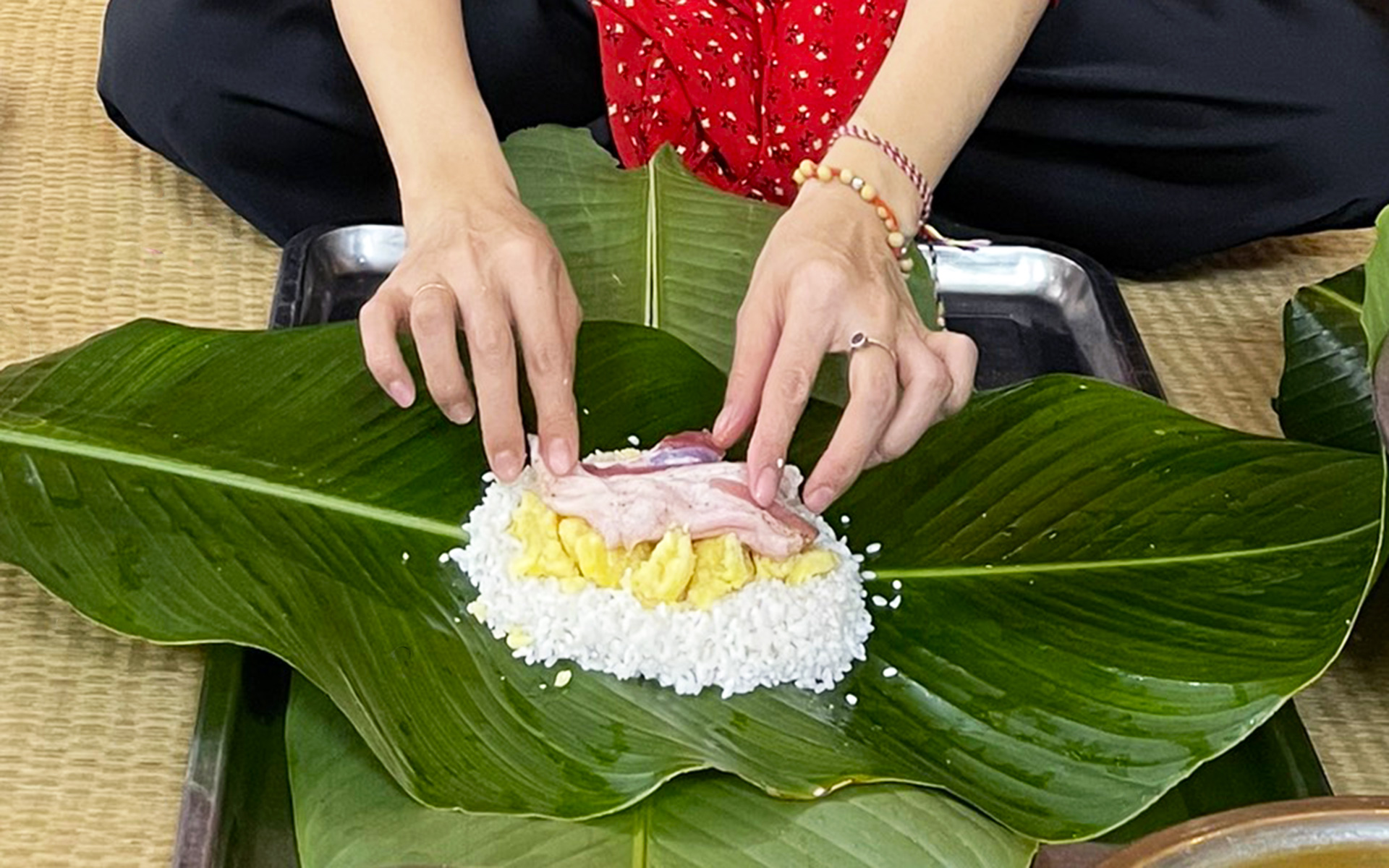
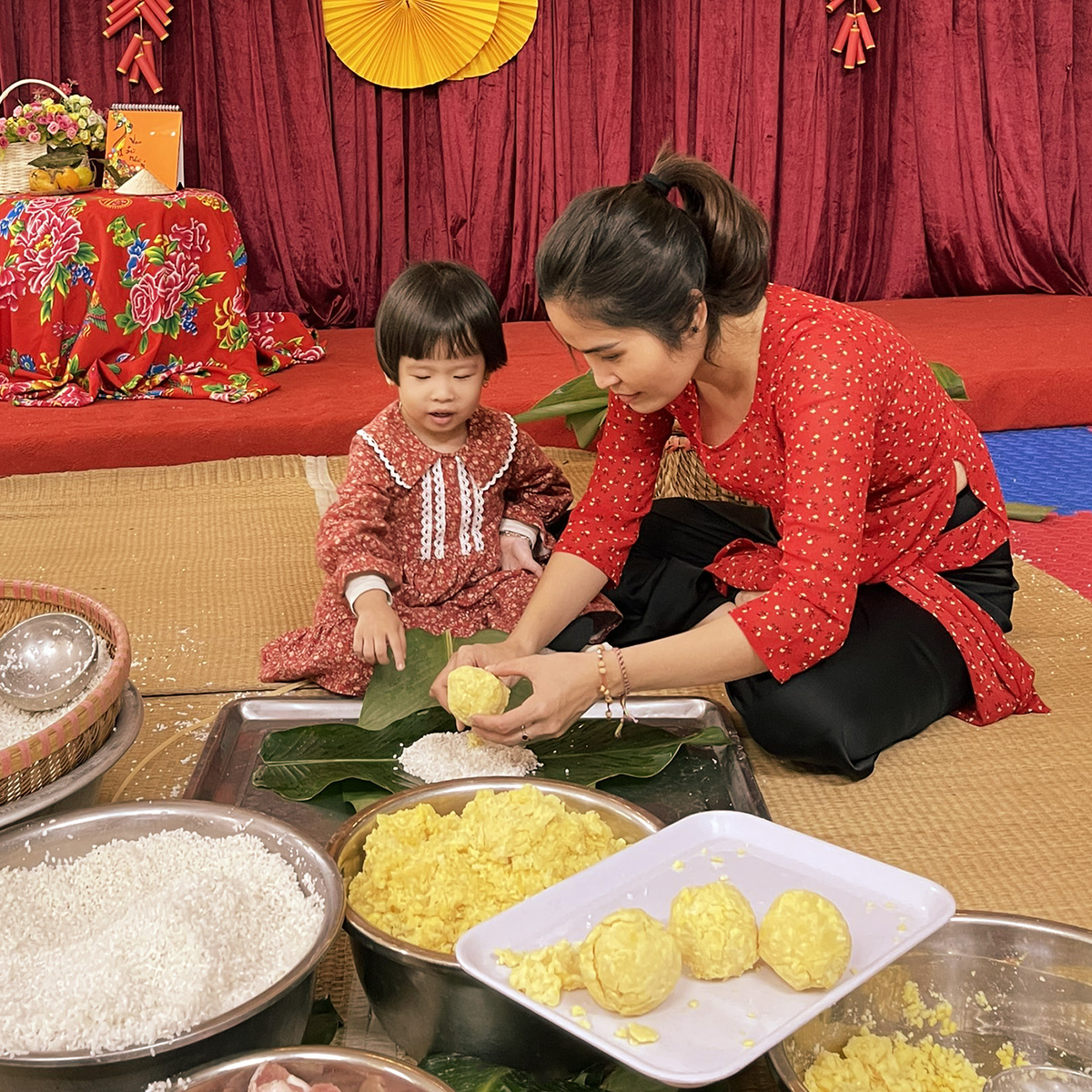
Creating Banh Chung is a meticulous process that brings families together, fostering a spirit of unity and celebration. Here’s a step-by-step guide:
Ingredients
Dong Leaves: Large, vibrant green leaves, washed and dried thoroughly.
Glutinous Rice: The renowned Nep Cai Hoa Vang variety, soaked overnight and seasoned with a pinch of salt.
Mung Beans: Peeled, soaked, and steamed until tender.
Pork Belly: Fresh cuts with an ideal balance of lean and fat, seasoned with salt, pepper, and a hint of seasoning powder.
Bamboo Strings: Mature bamboo strips, soaked to soften for flexibility.
Crafting the Cake
Prepare the Layers: Arrange the Dong leaves to form a sturdy base. Layer glutinous rice, mung beans, and pork, repeating the process to encase the filling.
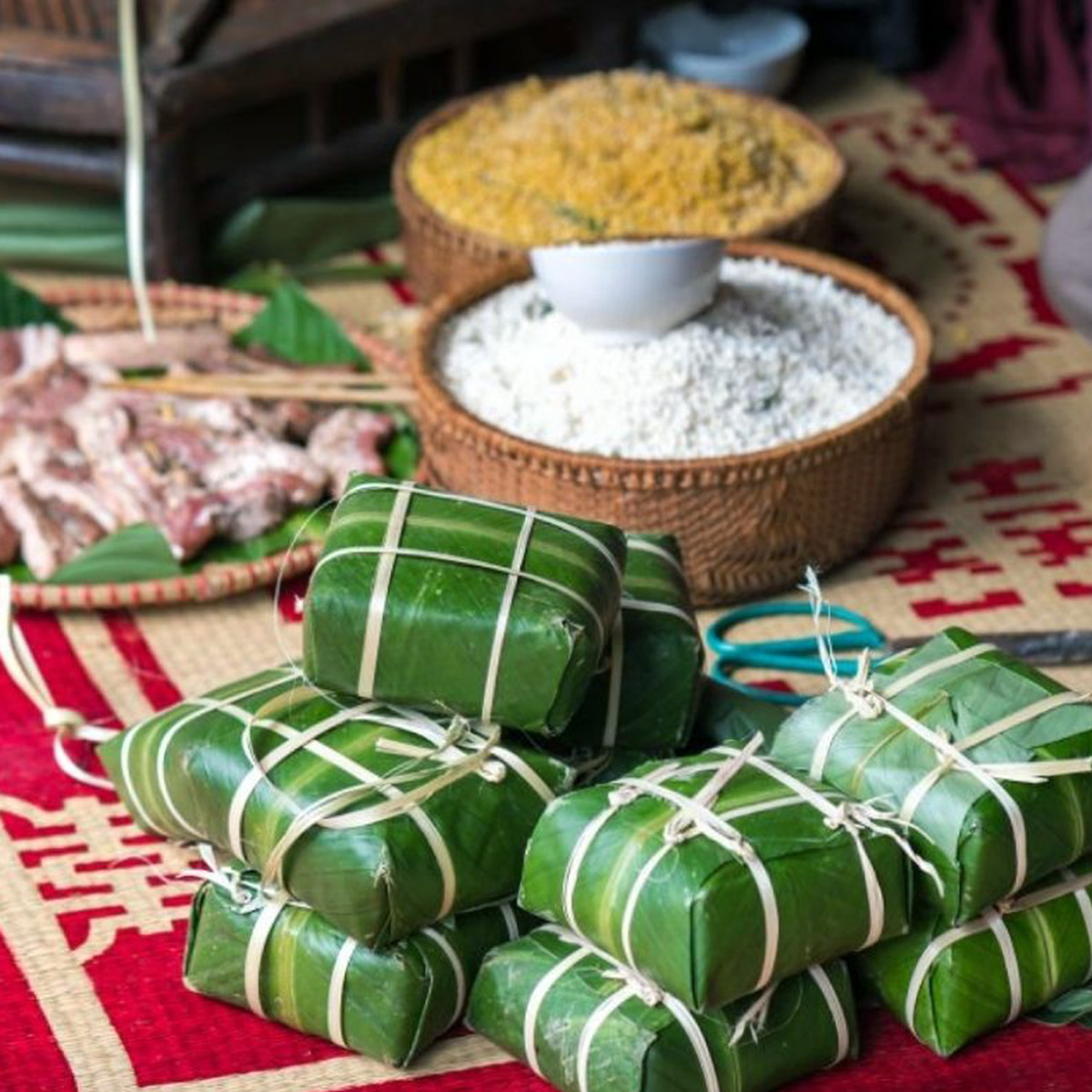
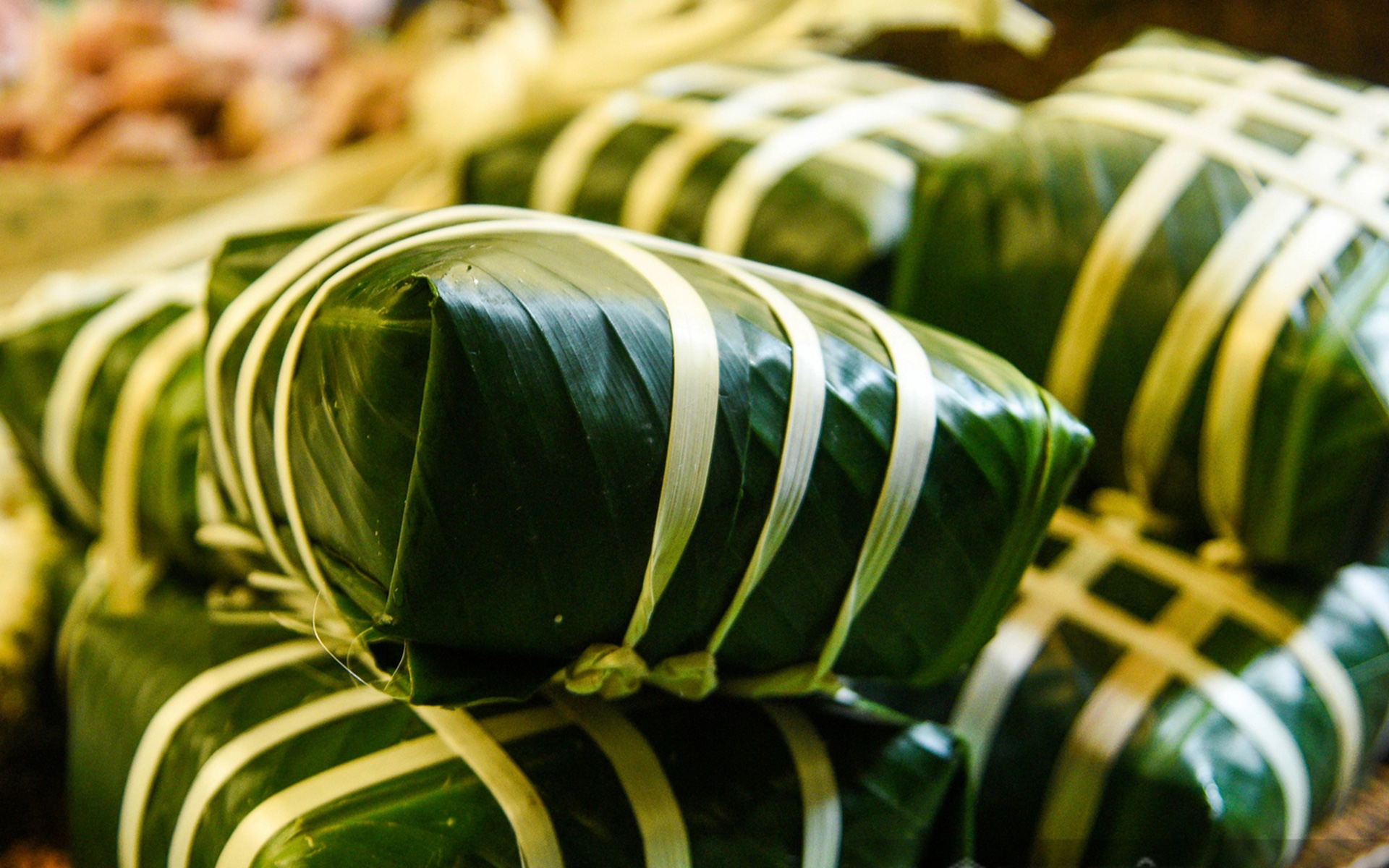
Shape the Cake: Wrap the package tightly into a square, ensuring no gaps. Secure it firmly with bamboo strings to maintain its shape during boiling.
Boiling Process
Simmering: Place the cakes in a large pot, fully submerged in water, and gently simmer for 12–18 hours. Regularly top up the water as it evaporates.
Cooling and Pressing: After boiling, rinse the cakes in cold water to preserve their vibrant green colour and enhance their shelf life. While still warm, press the cakes to create sharp, square edges.
Banh Chung: A Symbol of Heritage and Tradition
As the cakes gently simmer, families gather around the fire, sharing stories and laughter. Grandparents recount the tale of Lang Lieu, ensuring the tradition and its values endure across generations. Once cooled, the cakes are placed on the ancestral altar, surrounded by incense and a deep sense of gratitude.
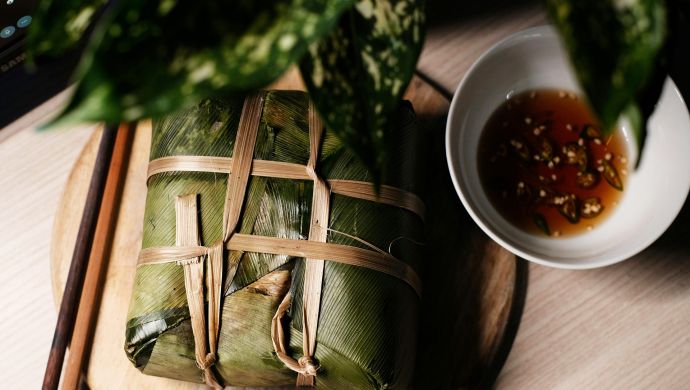
Despite Vietnam’s turbulent history and rapid modernisation, Banh Chung remains a steadfast symbol of the nation’s cultural identity. It bridges the past and present, offering a poignant reminder of Vietnam’s agricultural roots, the strength of family bonds, and the enduring power of tradition. For every Vietnamese household, the presence of Banh Chung during Tet is more than just a custom - it is a heartfelt connection to home and heritage.
Contents: Amasia Travel
Photos: Dan Viet, Internet

RELATED ARTICLES
Newsletter
Join our mailing list to receive the lastest updates and travel inspiration

Amasia Travel
17/135 Hoang Nhu Tiep
Bo De, Hanoi
Vietnam
| Email: | info@amasiatravel.com |
| Tel: | +84 24 3872 1656 +84 24 3872 6797 |
| Fax: | +84 24 3872 5045 |
| Mob: | +84 913 515 279 |
| Us: | +1 202 970 8978 |
International Tour Operator license No: 0919/TCDL
Copyright © 2004 - 2026 Amasia. All rights reserved. A division of Amasia DMC.