

 start planning
Ho Chi Minh City Travel Guide: A to Z Tips and Insights
30
Apr 2024
PUBLISHED
Vietnam
Hanh Nguyen

Updated: 15th January 2025
Welcome to Ho Chi Minh City (formerly Saigon), where vibrant culture, rich history, and modern dynamism converge to create an unforgettable experience. Whether you’re a first-time visitor or a seasoned traveller, a trip to this bustling city can be both exhilarating and overwhelming. Discover the best of Ho Chi Minh City with our comprehensive travel guide.
Ho Chi Minh City Overview
Also known as Saigon by the locals, Ho Chi Minh City is a sought-after destination for many travellers exploring Vietnam. Located in the southern region, it stands as the largest and most populous city in the country.
Travel enthusiasts are drawn to Ho Chi Minh City for its spectacular attractions and dynamic lifestyle. Amidst rapid development, a touch of French colonial charm still lingers in the city’s architecture and way of living, adding to its allure. Acting as a transportation hub, vibrant entertainment centre, and religious focal point, Ho Chi Minh City is a must-visit destination for visitors.
Best Time to Visit Ho Chi Minh City
Ho Chi Minh City experiences a tropical monsoon climate, offering stable and pleasant weather throughout the year. The dry season, from November to April, is ideal for comfortable sightseeing, while the rainy season, from May to October, offers a unique charm despite occasional downpours.
The most enjoyable time to visit Ho Chi Minh City is from December to the end of February when the festive season is in full swing and refreshing breezes fill the air.
Top Attractions in Ho Chi Minh City
The tourist attractions in Ho Chi Minh City (Saigon) are incredibly diverse, blending tradition and modernity. From historical landmarks and ancient structures to towering skyscrapers and vibrant shopping centres, this city offers rich and impressive experiences. Thanks to this diversity, Saigon can provide visitors with an enriching and memorable journey.
1. Independence Palace
The Independence Palace, also known as the Reunification Palace, is a symbol of the country’s struggle for independence and reunification. Built in the 1960s, the palace served as the residence and workplace of the South Vietnam president during the Vietnam War. It gained international fame when a North Vietnamese tank crashed through its gates on April 30, 1975, marking the end of the war and the reunification of Vietnam.
Address: 135 Nam Ky Khoi Nghia Street, Ben Nghe Ward, District 1

2. Saigon Central Post Office
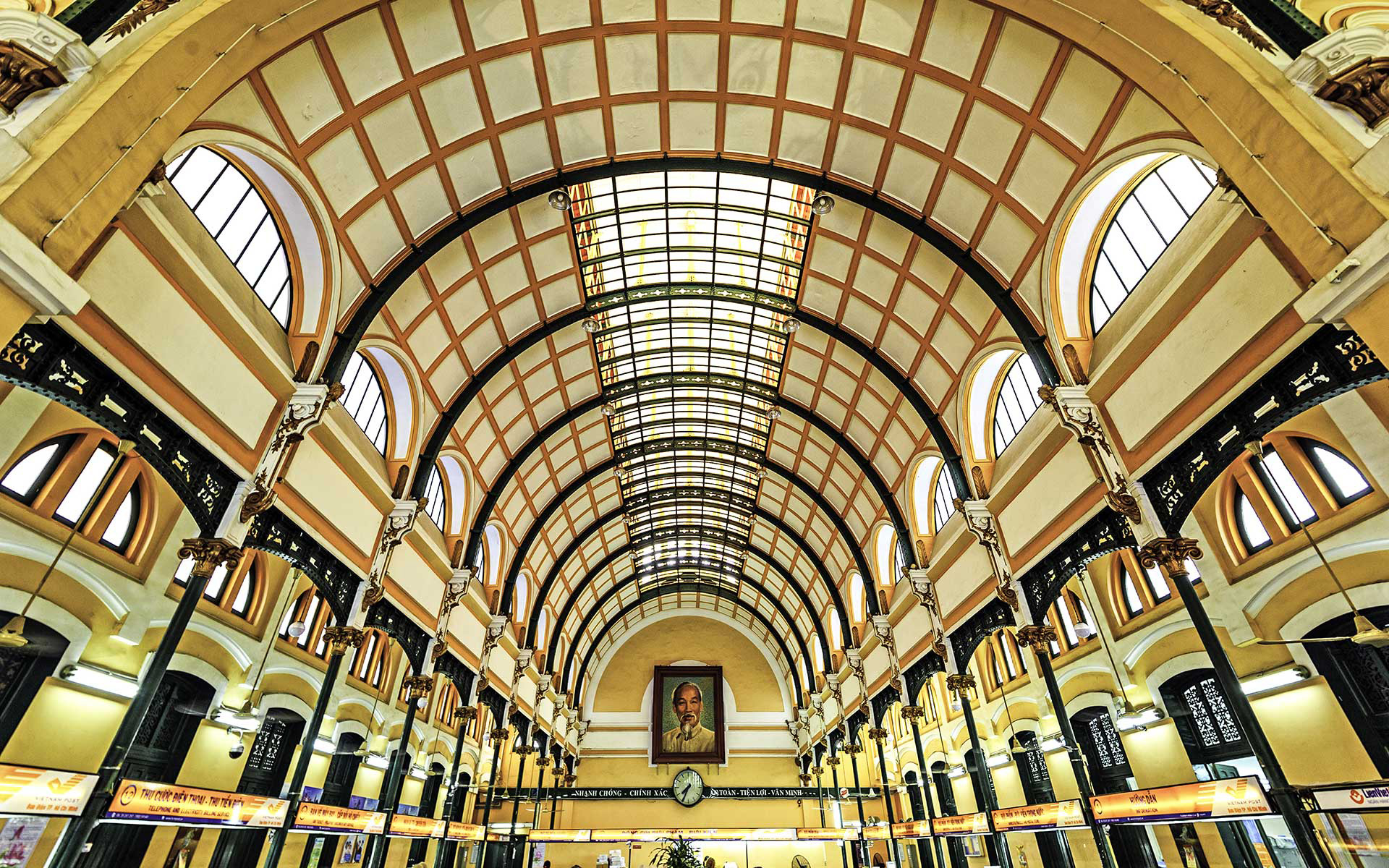
The Saigon Central Post Office in Ho Chi Minh City, with its splendid French colonial architecture, remains beautifully preserved to this day, serving as a nostalgic touch amidst the bustling, modern cityscape. Constructed between 1886 and 1891, the post office was primarily designed by Marie-Alfred Foulhoux, a French architect who played a significant role in shaping Vietnam’s architectural landscape during the late 19th century. The combination of European elegance and spacious Asian design makes it a beloved tourist destination, captivating visitors with its timeless charm and historical significance.
Address: 2 Cong Xa Paris Street, District 1.
4
mins
reading time
Share this Article from Amasia Travel
3. China Town District and Binh Tay Market
Saigon’s Chinatown, also known as Cholon, primarily lies in District 5, District 11, and partly in District 6 of Ho Chi Minh City. This area is rich in the unique cultural, culinary, and architectural aspects of the Chinese community, creating a vibrant and distinctively colourful tapestry compared to the rest of the “Pearl of the Far East.”
Binh Tay Market, located within Chinatown, is one of the largest markets in Saigon, dominating the wholesale and retail trade for the entire city area. Stepping into the market, visitors will feel as if they are entering a world of goods, with an unimaginable variety and abundance of merchandise.
Address: 57A Thap Muoi Street, Ward 2, District 6
4. Thien Hau Temple
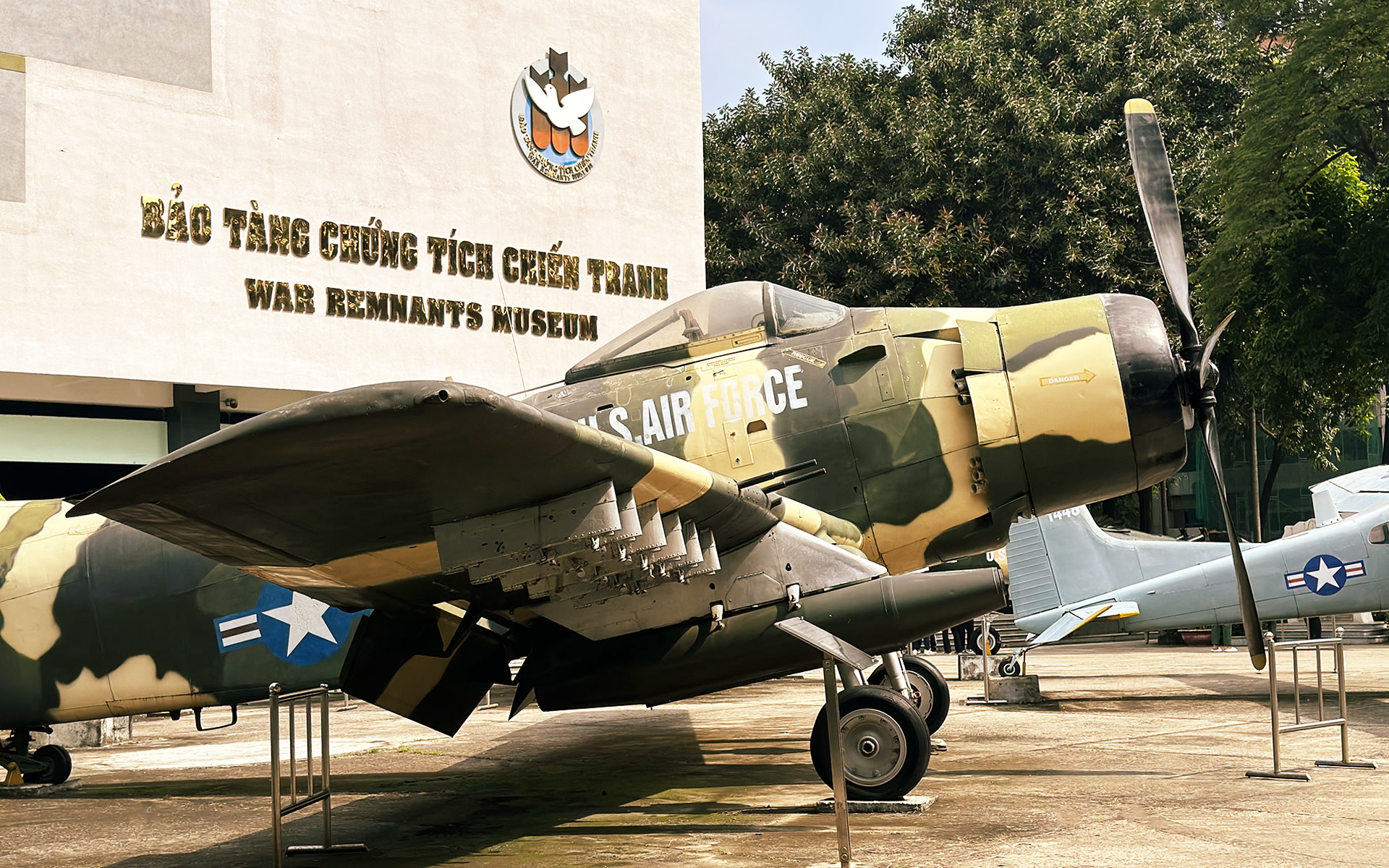
Thien Hau Temple stands as one of the oldest and most revered places of worship for the Chinese community in Saigon, symbolizing their deep spiritual connection and serving as a cultural landmark for locals and visitors alike. This stunning 19th-century temple, dedicated to the goddess Thien Hau, showcases remarkable architectural details crafted by the Cantonese community, including colourful porcelain figurines, intricate wood carvings, and ornate roof tiles. Beyond its architectural splendour, Thien Hau Temple hosts traditional ceremonies and rituals, offering visitors a glimpse into the rich cultural heritage of the area.
Address: 710 Nguyen Trai Street, Ward 11, District 5
5. War Remnants Museum
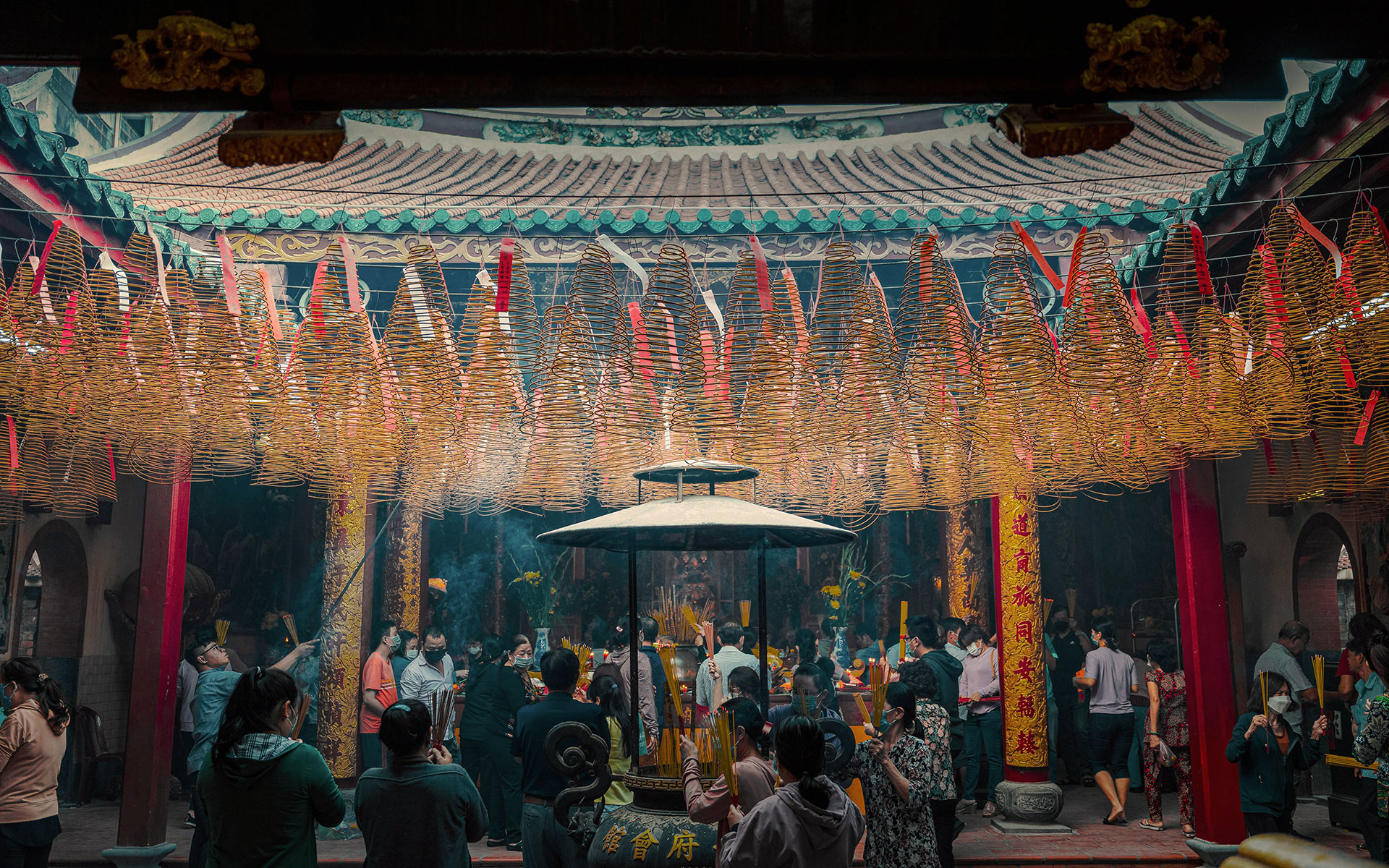
The War Remnants Museum is an emotionally charged historical treasure, preserving the traces of conflicts and resistance spanning decades. The artefacts and relics in the museum serve as vivid evidence of Vietnam’s turbulent and challenging periods. Stepping into this museum is like embarking on a journey back in time, offering a better understanding of the devastation of war. While the museum primarily presents the Vietnamese perspective on the war, it also aims to promote peace and reconciliation, encouraging visitors to reflect on the consequences of war and the importance of understanding and compassion. For those interested in Vietnam’s history and the legacy of the Vietnam War, a visit to the War Remnants Museum is both educational and profoundly moving.
Address: 28 Vo Van Tan Street, Vo Thi Sau Ward, District 3
6. Ho Chi Minh Museum
The Ho Chi Minh Museum stands as a significant cultural landmark dedicated to commemorating the life and legacy of President Ho Chi Minh, a highly respected leader in Vietnamese history. Established as part of the nationwide system of Ho Chi Minh Museums and Memorials, it falls under the purview of the Department of Culture and Sports of Ho Chi Minh City. The museum houses many of Ho Chi Minh’s personal belongings, including some of his clothing, sandals, and spectacles. Information is available in English.
Address: 1 Nguyen Tat Thanh Street, Ward 12, District 4
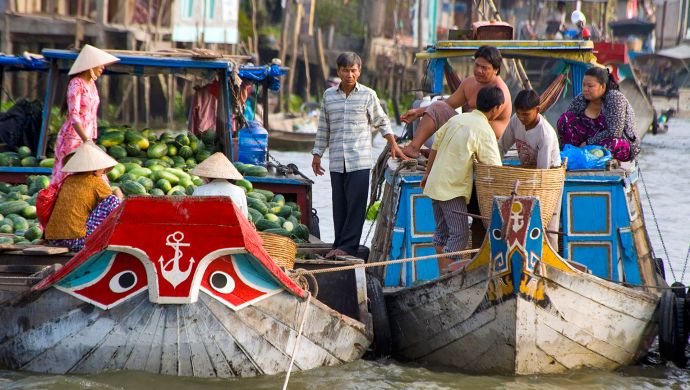
7. Giac Lam Pagoda
Believed to be the oldest temple in HCMC, dating back to 1744, Giac Lam Pagoda is a fantastically atmospheric place set in peaceful, garden-like grounds. The pagoda offers visitors a serene and spiritual atmosphere, providing a welcome break from the hustle and bustle of city life. Many come to the pagoda to meditate, pray, or simply soak in its beauty and historical charm.
Address: 565 Lac Long Quan, Tan Binh District
8. Bitexco Financial Tower
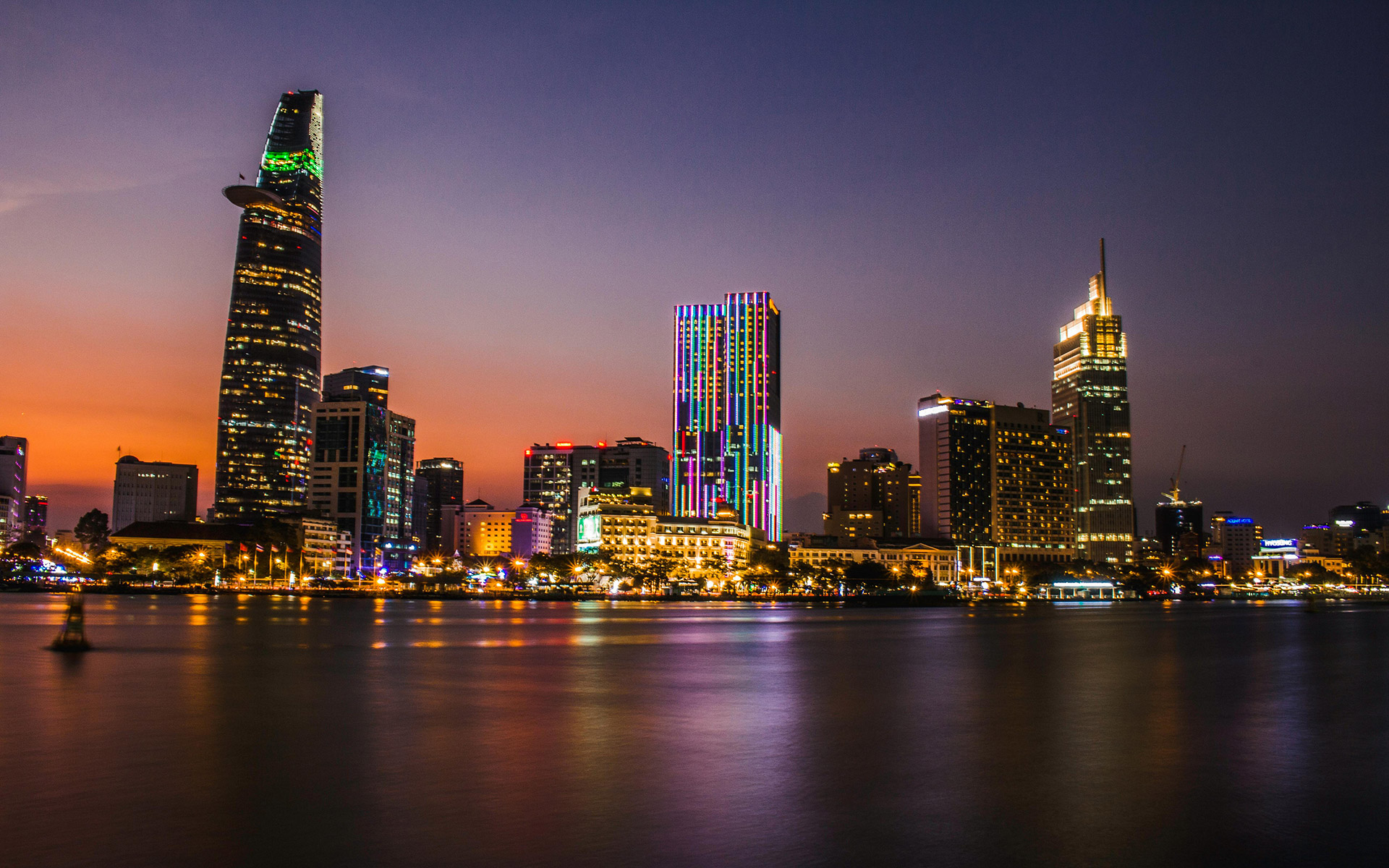
Bitexco Financial Tower is known as one of the tallest buildings in Ho Chi Minh City since the 2010s. Though newer skyscrapers like Landmark 81 have surpassed it in height, Bitexco remains an iconic symbol of Saigon, marking the city’s new development. The Saigon Skydeck, located on the 49th floor, offers panoramic views of Ho Chi Minh City and its vibrant streets below, providing a breath-taking perspective of the city’s ever-changing landscape.
Address: 19-25 Nguyen Hue Street, Ben Nghe Ward, District 1
9. Ben Thanh Market
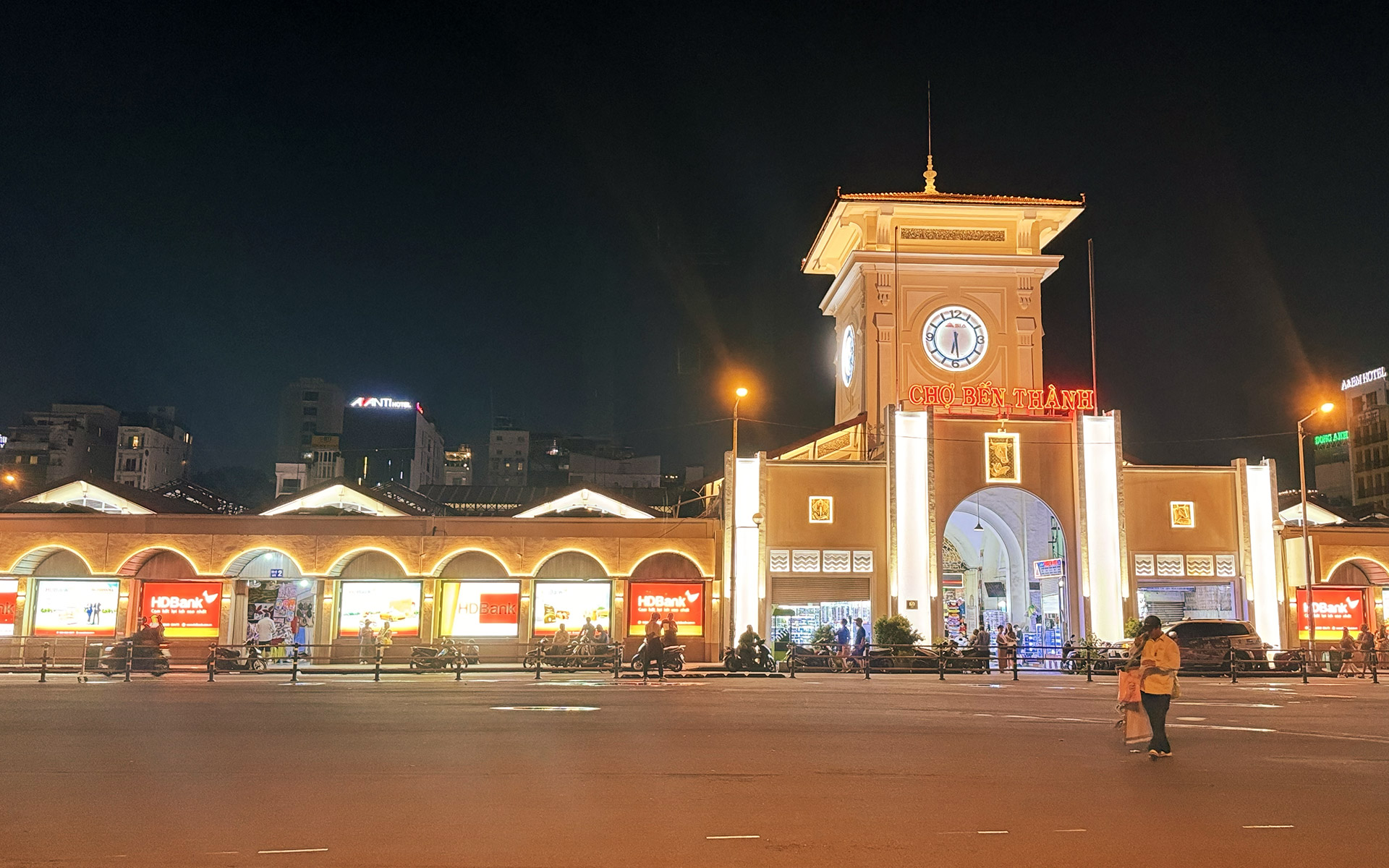
This is one of the most famous tourist attractions in Ho Chi Minh City, located in the centre of the city and always bustling with people coming and going for trading and checking in every day. Known as one of the oldest and most iconic markets in the city, Ben Thanh Market offers a vibrant shopping experience where visitors can find a wide variety of goods, including local handicrafts, textiles, clothing, souvenirs, fresh produce, and delicious street food.
Address: Le Loi Street, Ben Thanh Ward, District 1
10 . Cu Chi Tunnels
The Cu Chi Tunnels are an extensive network of underground defence tunnels built by locals and resistance forces from 1946 to 1968 in Cu Chi district, Ho Chi Minh City. Constructed with basic tools, the network was scientifically designed and played a major role in the Vietnam War. Stretching over 250 kilometres, the tunnels consisted of an intricate network of passages, rooms, and traps, providing shelter, communication routes, and storage facilities for soldiers. Today, the tunnels are a popular tourist attraction in Ho Chi Minh City, offering visitors a unique glimpse into the country’s wartime history and the resilience of its people.
Address: TL15, Phu Hiep, Cu Chi
Dining and Nightlife in Ho Chi Minh City
Eating in Ho Chi Minh City
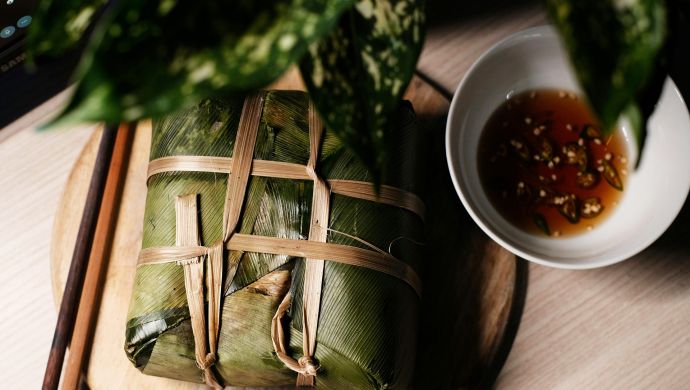
Ho Chi Minh City is a melting pot of cuisine from various regions and countries. Here, visitors can find not only dishes from all three regions of Vietnam, but also distinctive Chinese dishes, Indian, Japanese, Korean, and Thai cuisines, and vegetarian options at countless restaurants throughout the city. Some recommended dishes that visitors should definitely try including Com tam (Broken Rice), Hu Tieu, Banh mi (Vietnamese Sandwich), Banh Xeo (Sizzling Pancake), Bun Bo (Beef Noodle Soup), Sticky Rice, Vietnamese Mixed Rice Paper, Bun Dau Mam Tom, Goi Cuon (Vietnamese Fresh Spring Rolls), etc.
Nightlife in Ho Chi Minh City
Nightfall is when Saigon adorns itself with a completely different outfit compared to the daytime. The skyscrapers, architectural structures and streets suddenly become more prominent with vibrant, bustling, and brightly coloured lights. It is renowned as the “City that Never Sleeps” of Vietnam.
Saigon’s nightlife undergoes a significant transformation, especially as the night deepens, with numerous entertainment and dining venues bustling with activities until the early hours. To ensure that you don’t miss activities in Ho Chi Minh City at night, here are a few suggestions:
- Take a leisurely stroll along Nguyen Hue Walking Street.
- Experience the bustling ambience and culinary delights of the Ben Thanh night market.
- Discover the vibrant urban nightlife on Bui Vien Street.
- Have a memorable evening in the bustling Western Town of Saigon.
- Indulge in a romantic dinner cruise along the picturesque Saigon River.
- Embark on a guided Saigon Food Tour.
- Catch a captivating show at the Opera House.
- Enjoy live music performances at one of Saigon’s many bars or pubs.
- Explore Rooftop Bars and Skyline Views.

2-Day Itinerary in Ho Chi Minh City
Day 1
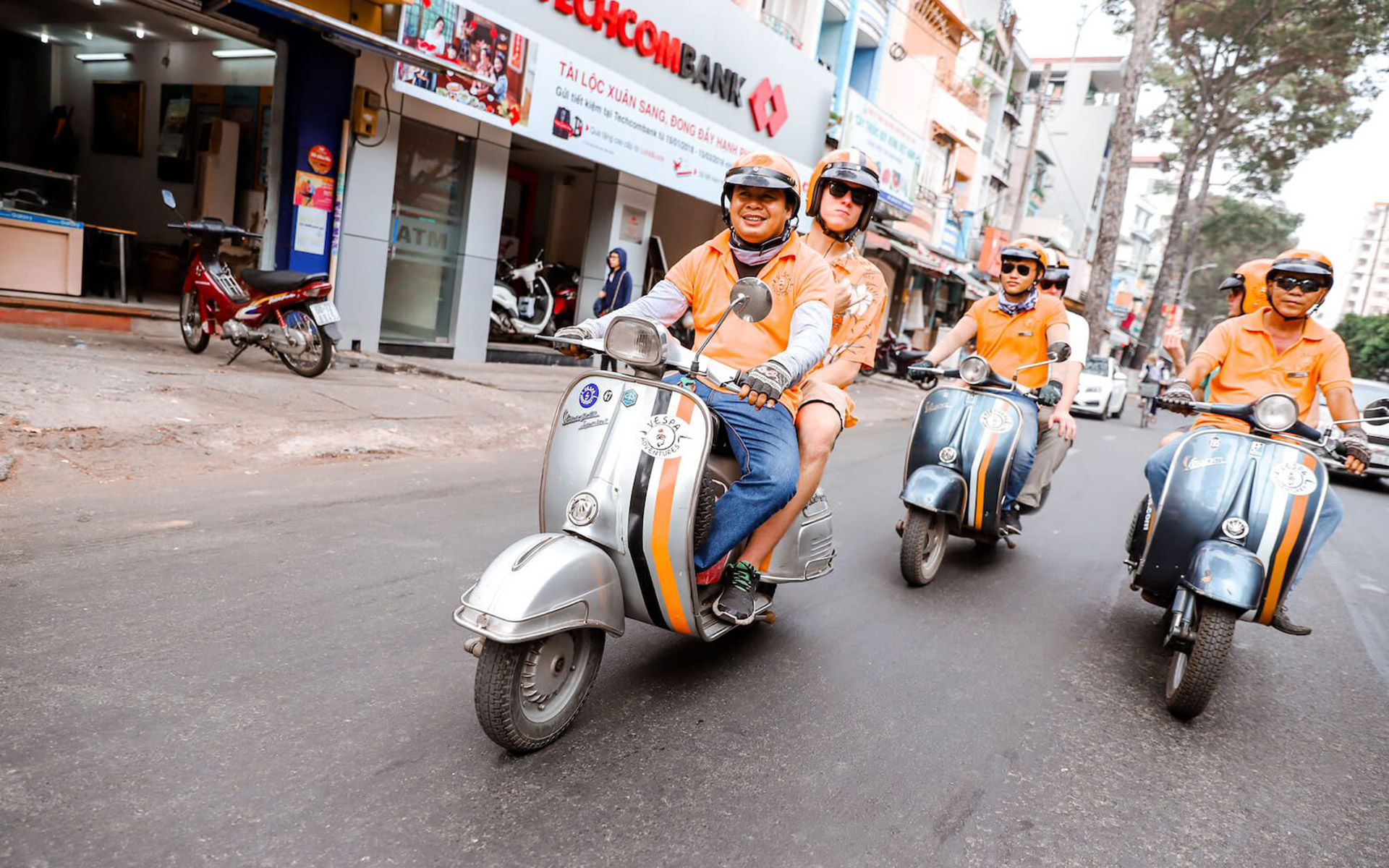
Explore Ho Chi Minh City’s highlights on a guided city tour, including Independence Palace, Notre Dame Cathedral, Saigon Central Post Office, War Remnants Museum, and Ben Thanh Market. As night falls, embark on a delicious food tour by motorcycle to sample authentic Vietnamese cuisine.
Day 2
Experience Vietnam’s wartime history with a half-day excursion to the Cu Chi Tunnels. Spend the afternoon immersing yourself in the lively atmosphere of Chinatown. In the evening, indulge in a captivating cultural performance, choosing from options like the A O Show or a traditional water puppet show.
Ho Chi Minh City Travel Insights
To ensure a safe and cost-effective trip, please note the following important tips:
- Use reliable navigation sources like Google Maps and don’t hesitate to ask locals for directions to avoid getting lost, entering restricted areas, or going the wrong way on one-way streets.
- Before dining out or shopping at markets or stalls where prices are not listed, inquire about prices to avoid unexpected costs.
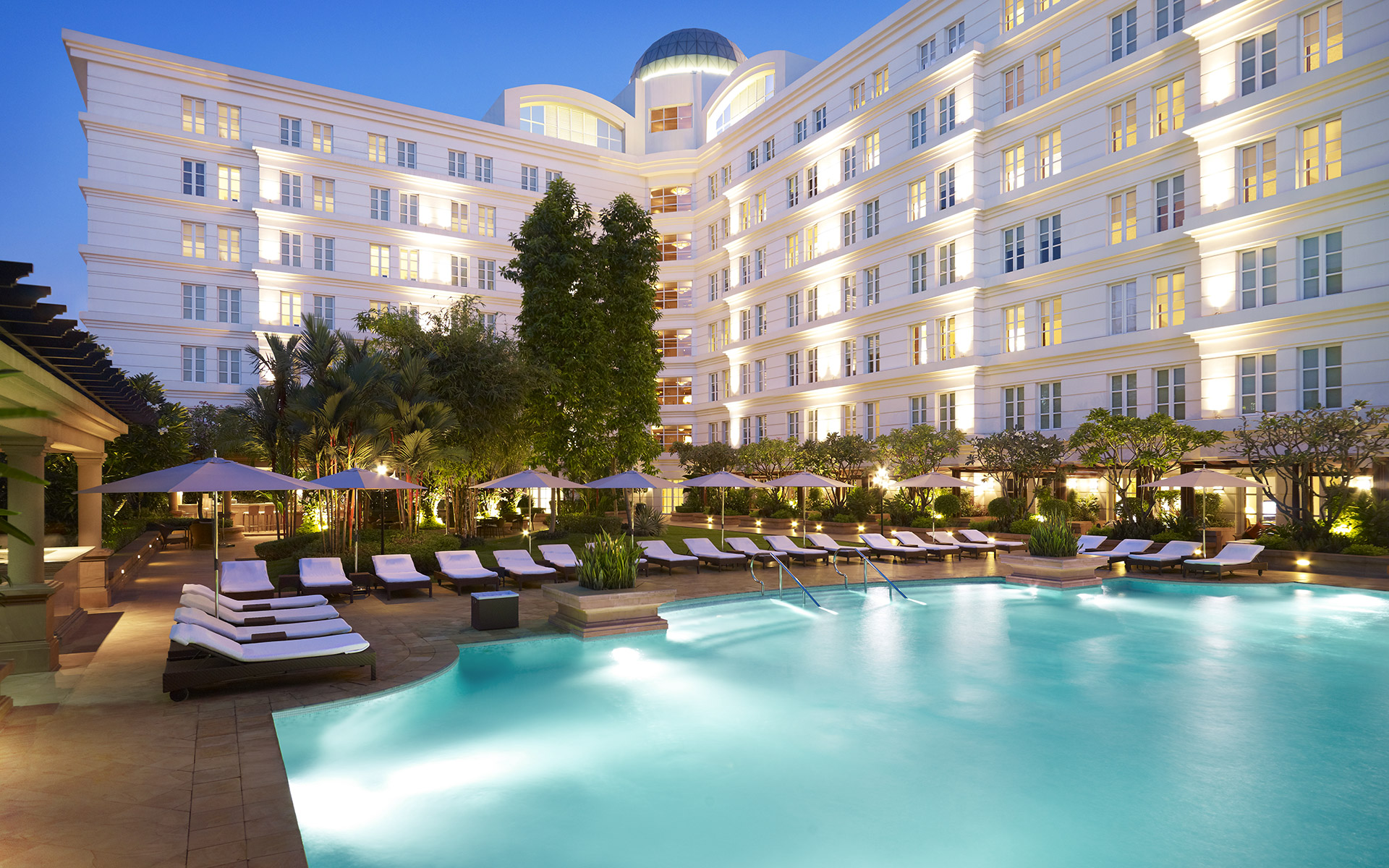
- For safety and convenience during sightseeing and experiences, book rooms at reputable accommodations located in central districts. Some recommended options include Park Hyatt Saigon, InterContinental Saigon, and Liberty Central Saigon Citypoint.
- Avoid starting your trip during peak hours, from 7:00 am to 9:30 am and 5:30 pm to 7:00 pm, as these times are prone to traffic congestion. Plan your activities accordingly to minimize travel time.
- Consider exploring scenic routes during your stay. Enjoy the coastal beauty by travelling via Mui Ne and Nha Trang or immerse yourself in the picturesque highlands of Da Lat in the central region. These routes offer breathtaking views and unique experiences worth exploring.
With our Ho Chi Minh City Travel Guide, you’ll have everything you need to make the most of your time in this vibrant city. From must-see attractions to insider tips and unique experiences, embark on an unforgettable journey through Saigon and create memories to last a lifetime. Happy travels!
Contents: Amasia Travel
Photos: Amasia Travel
RELATED ARTICLES


Newsletter
Join our mailing list to receive the lastest updates and travel inspiration

Amasia Travel
17/135 Hoang Nhu Tiep
Bo De, Hanoi
Vietnam
| Email: | info@amasiatravel.com |
| Tel: | +84 24 3872 1656 +84 24 3872 6797 |
| Fax: | +84 24 3872 5045 |
| Mob: | +84 913 515 279 |
| Us: | +1 202 970 8978 |
International Tour Operator license No: 0919/TCDL
Copyright © 2004 - 2026 Amasia. All rights reserved. A division of Amasia DMC.